/ MBD Blog
MENU

What actually matters now? Here are practical tips to speed up site indexing and achieve measurable results in a relatively short time.


Creating a website is just the first step in growing your business online. After that comes the ongoing process of promoting and optimizing your site.
Organic traffic is the main source of visitors, and it should come directly through effective search engine optimisation.
Every visitor comes to your site seeking solutions to their problems. Avoid copy-pasting and focus on producing high-quality, original content. Increase the volume of unique material, protect your work, and the results will follow.
Stick to a consistent schedule by adding 2–4 new pieces of content each day. Over a few months, search engines will index your pages almost immediately after publication.
Submit your website to major search engines such as Google, Bing, DuckDuckGo, and others relevant to your target region. List your site on reputable international directories and business platforms like Crunchbase, Yelp, Foursquare, and similar sites. This boosts your link authority, attracts search crawlers, and ensures effective SEO for your target markets.
If your site has many pages, well-planned internal linking improves navigation, helps search engines understand your content, and boosts the ranking of key pages.
Ensure your content aligns with the main queries of your audience. Offer users what they are actively searching for, not just what you want to promote.
Fill in keywords, meta descriptions, titles, H1 headers, and other relevant tags. These elements provide search engines with the critical information needed for indexing and ranking.
Use compressed image formats and include descriptive alt tags. This improves page load speed, helps search engines understand your visuals, and enhances overall SEO.
Simple H1, H2, and H3 headings help users navigate your content quickly and improve search engine indexing.
Calls-to-action (CTAs) should be noticeable, clear, and easily accessible to increase engagement and conversion rates.
Above all, prioritise usefulness for your visitors. The more valuable and relevant information you provide, the higher your site’s trust, engagement, and search engine ranking will be.
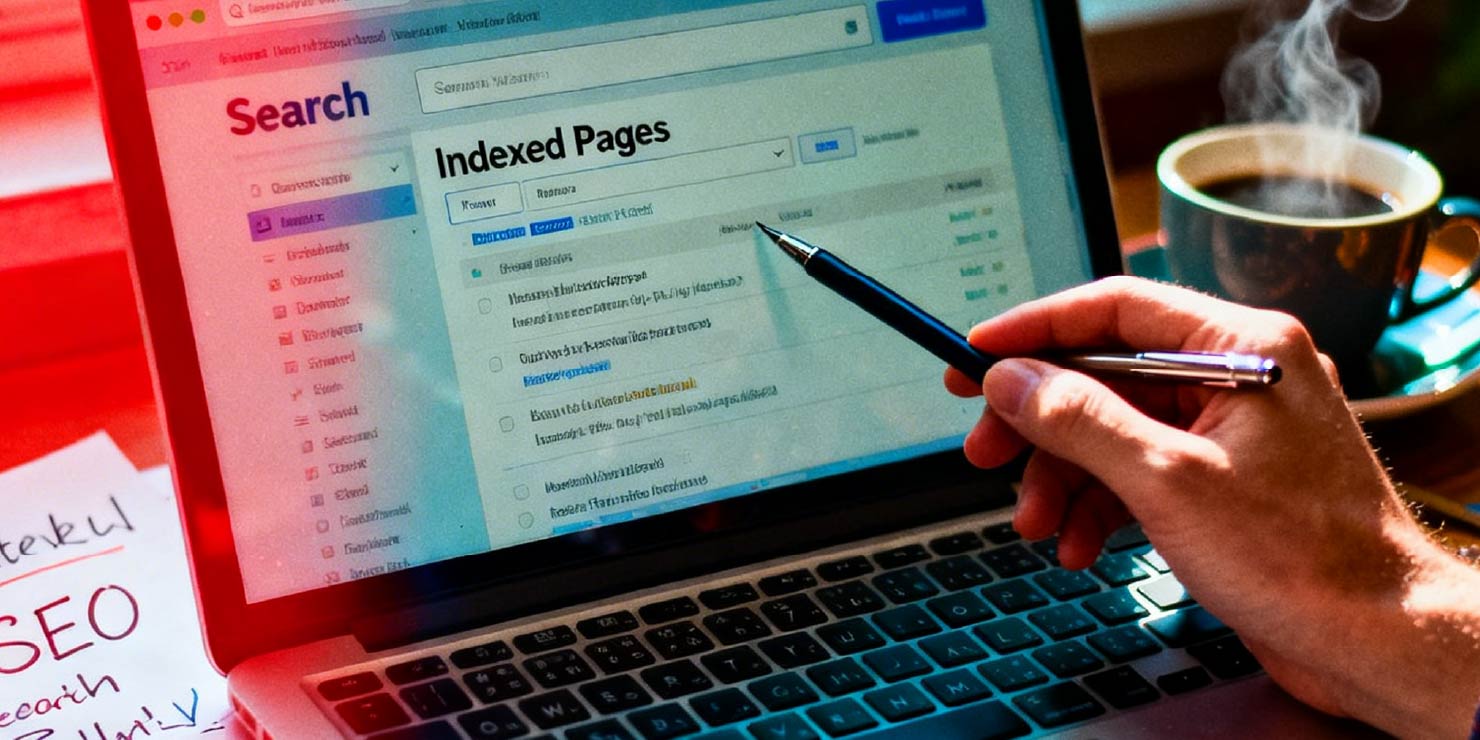
In 2026, SEO is no longer just a set of technical tricks. The focus has shifted to delivering real value to users, building trust, and aligning with new AI-driven search behaviors. To maintain strong rankings and visibility, think beyond keywords: your site must solve real user problems and meet the expectations of modern search algorithms.
Google evaluates content more critically than ever. Your pages should clearly answer user queries, provide original insights, and deliver real value. Simple keyword-stuffed text is no longer enough — expertise and practical experience are essential, not just optimisation.
Experience, Expertise, Authoritativeness, and Trustworthiness are now critical quality signals. Google assesses authorship, sources, and transparency, especially for sensitive topics such as finance, health, and legal content.
Features like Google’s Search Generative Experience (SGE) are reshaping the search landscape. Your content should be designed not only for traditional link-based rankings but also to provide clear, structured answers that AI can present directly in search results.
Technical SEO remains important, but the focus has expanded beyond page speed. A strong user experience is essential: mobile-friendly design, intuitive navigation, accessibility, and clear formatting are all key factors.
Using schema markup helps search engines understand your content and display it as rich elements — Featured Snippets, knowledge panels, FAQs, and more. This can significantly boost visibility beyond standard organic rankings.
Voice search and conversational queries are becoming increasingly important. Content should align with user intent, providing answers in natural language rather than just targeting specific keywords.
Ranking now involves more than keyword positions — it includes owning space in search results through AI-generated answers, visual blocks, video, and local features. This requires a strategy that goes beyond traditional SEO.
Stay ahead with the latest marketing trends and growth strategies.